
PERFORMANCE MEDICINE FOR MEN 45+
5 Reasons why men over 45 are running on empty
It is not just the late nights, the kids, or the job. By 45, most men are producing meaningfully less testosterone than they did a decade ago. Here is what that actually feels like, and what to do about it.




This is not in your head. It is in your bloodwork.
After 30, men’s testosterone drops ~1% per year. Recovery gets slow, mornings get tougher, and energy drops earlier and earlier in the day.
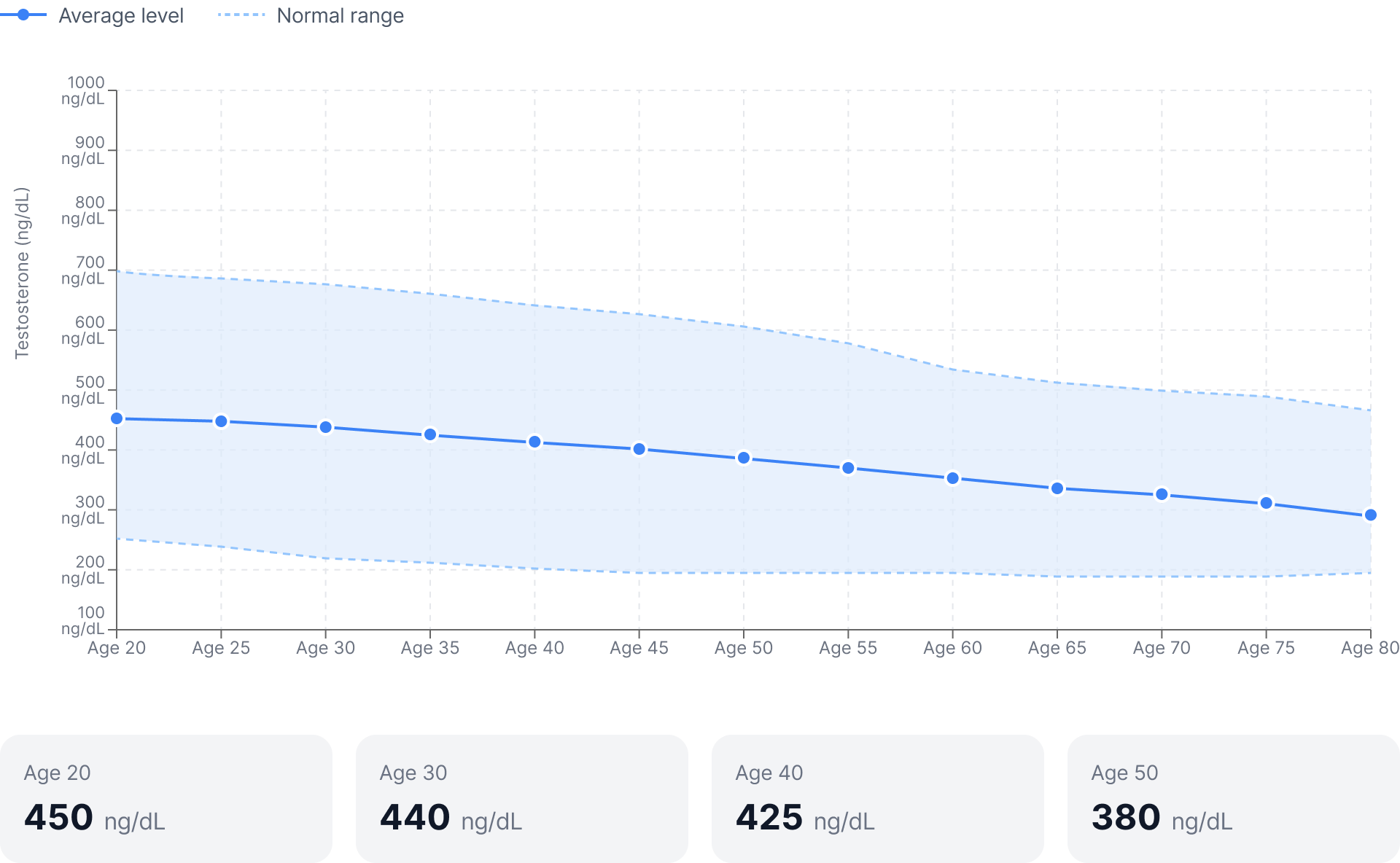
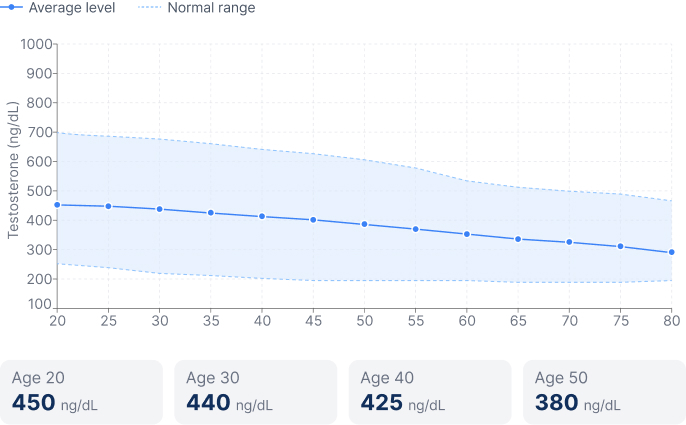
Most often, this gets explained away as normal aging and increasing life pressure. But the subtle signs of lower testosterone sneak up on you in these 5 common forms:
1. The 3pm slump (that used to happen at 6pm)
No matter how much coffee you drink, the crash is coming earlier and earlier. You might sleep less than you used to, but that’s not the whole story.
Testosterone supports the body's energy regulation, and as levels drop, daytime endurance drops with it. Energy is one of the earliest and most reliably reported improvements after starting a clinically guided protocol.
2. Workouts don’t pay off like they used to
You notice it takes longer and longer to recover from a workout. The things that used to drive progress now just keep you at maintenance.
Testosterone is the primary driver of muscle protein synthesis and recovery — with less circulating, the same training input produces a smaller output.
Evidence callout: In the Maximus-published N=1,250 Enclomiphene Protocol Study, mean total testosterone increased 81.8% and mean free testosterone increased 89.7% (p < 0.001).
3. Focus comes and goes
Sometimes you’re sharp and focused, and other times you walk into the kitchen 3 times and forget what you came for. You just can’t command your attention the way you used to.
Testosterone supports cognitive function, focus, and the brain's blood flow regulation, and the decline comes with the kind of mid-day cognitive softness that Gen X men describe.
Recommended: Maximus Testosterone Protocol

Recommended: Maximus Testosterone Protocol

4. Body composition is all over the place
The weight settled around your midsection in your early 40s and has not moved since, regardless of how clean you eat or how often you train.
It’s not a willpower problem. Lower testosterone shifts the body's set point for fat storage and lean mass retention, so your diet and training are working against a hormone layout that’s not shifting in your favor.
5. You need a vacation from your vacation
You used to come back from a long weekend fully reset. Drive, focus, and energy all high. Now, you feel like you need another 2-3 days to get back to your regular self.
Sleep and stress reduction can only get back so much when your testosterone levels often determine overall capacity.



How it works
A clinical path, without the clinic.

01
Complete your evaluation
Answer questions about your health, symptoms, and goals. A licensed clinician reviews your responses.

02
Get lab-tested
Maximus orders the bloodwork required to build your protocol. Recent bloodwork (within 6 months) may also qualify.

03
Receive a personalized protocol
A doctor confirms the format for your protocol and sets dosing - matched to your test results and biology. Then your prescription ships to your door. Ongoing monitoring is included.

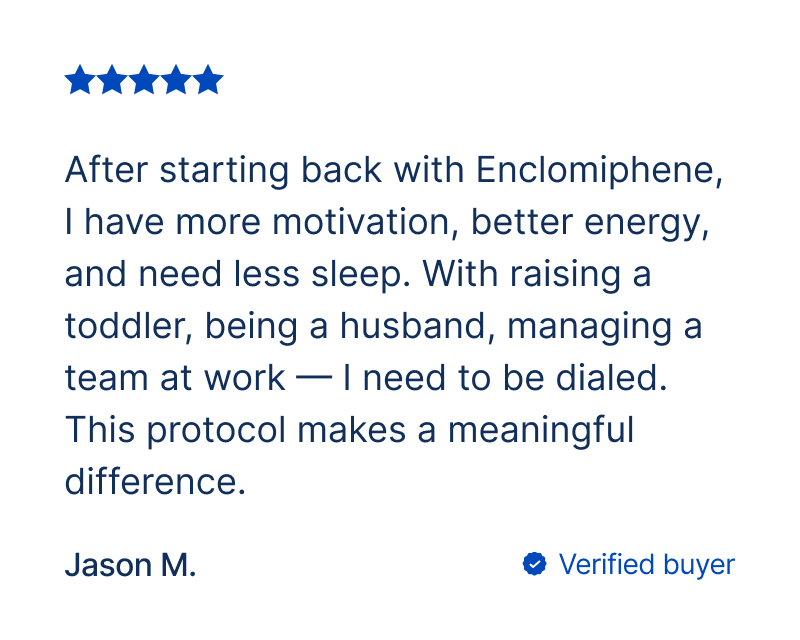
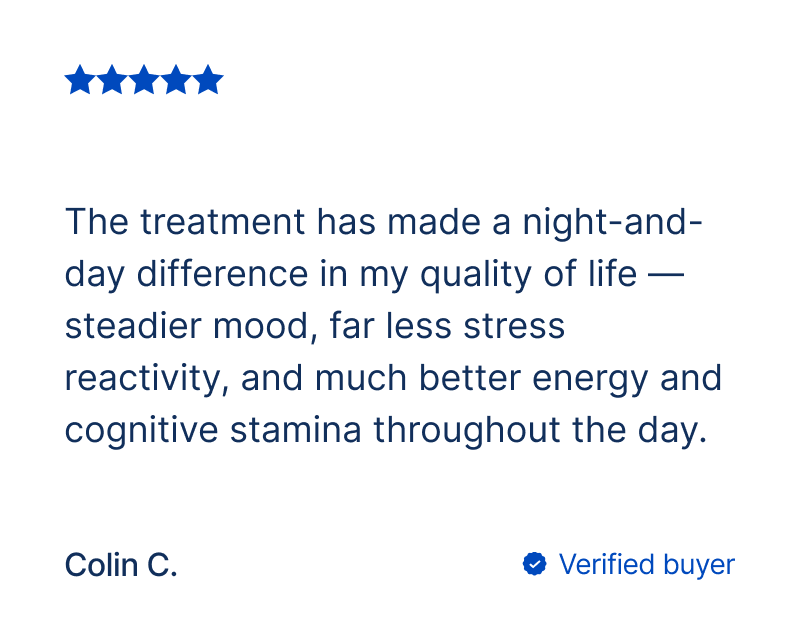
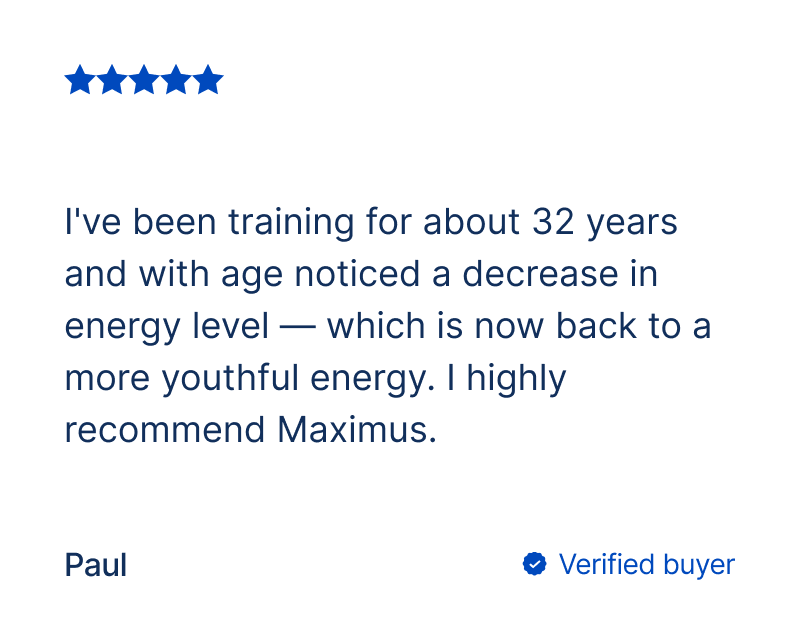
Results that speak louder than promises.
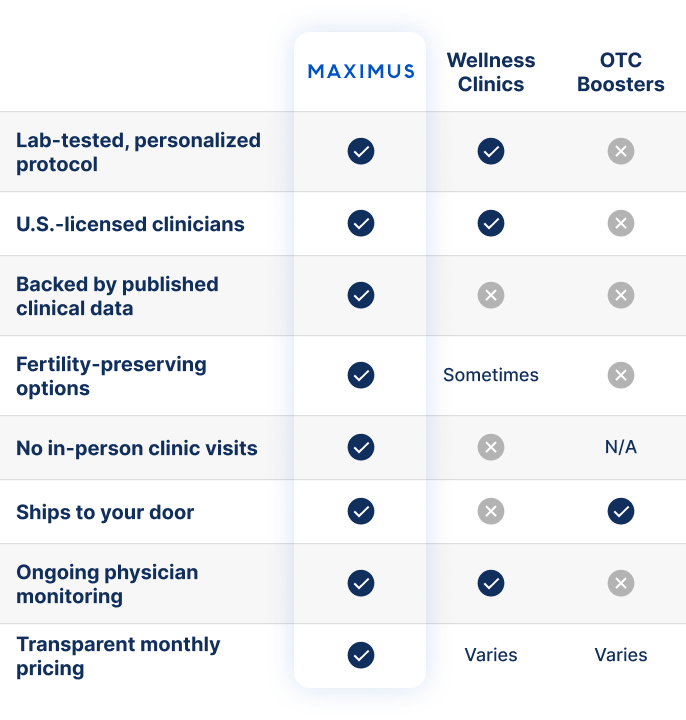
How Maximus Compares.
- Nasal congestion and light-headedness (from increased blood flow; usually fades with consistent use)
- Headache
- Indigestion or upset stomach
- Back pain, flushing, or muscle aches
- Nausea or hot flashes
- Mild mood changes or mild acne
- Changes in vision (blurriness or visual changes can occur with either ingredient and should be reported promptly)
Rare but serious, stop and seek medical care:
- An erection lasting more than 4 hours (priapism) requires immediate medical attention
- Sudden vision loss in one or both eyes
- Sudden decrease or loss of hearing, or ringing in the ears
Important safety note:
Do not take this medication if you use nitrates (for chest pain) or certain blood-pressure medications, the combination can cause a dangerous drop in blood pressure. Tell your provider about every medication you take. This product is not for use by women or anyone under 18.
This is not a complete list. See full safety information at maximustribe.com/safety, or message your care team with any questions.
Side effects
- Injection site reactions (redness, pain, swelling)
- Joint pain or stiffness
- Headache
- Dizziness
- Fluid retention or swelling
- Allergic reactions (rash, itching, swelling)
- High blood sugar or diabetes

Not just telehealth. We're telehealthcare

✓ Unlimited access to your personal doctor and care team
✓ Board-certified doctors that treat you, not averages
✓ 100% online. No in-person visits or insurance required
✓ Hormone therapy from hormone expertsTestosterone FAQs
Is this safe?
Every protocol is reviewed and prescribed by a U.S.-licensed clinician based on your bloodwork, medical history, and goals. Lab monitoring is built into the program (may be an incremental charge). See above for potential side effects.
Will I become dependent on this?
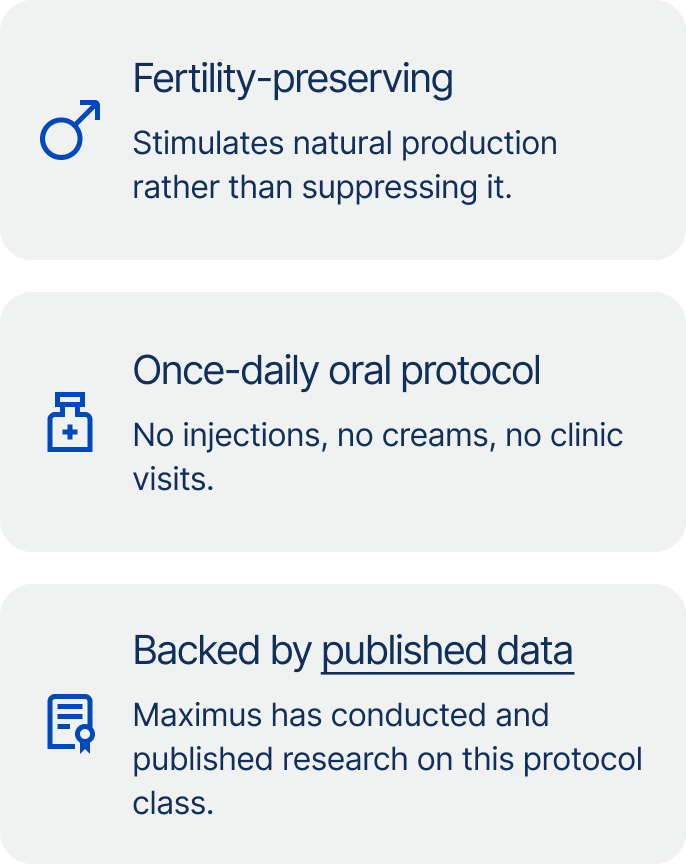
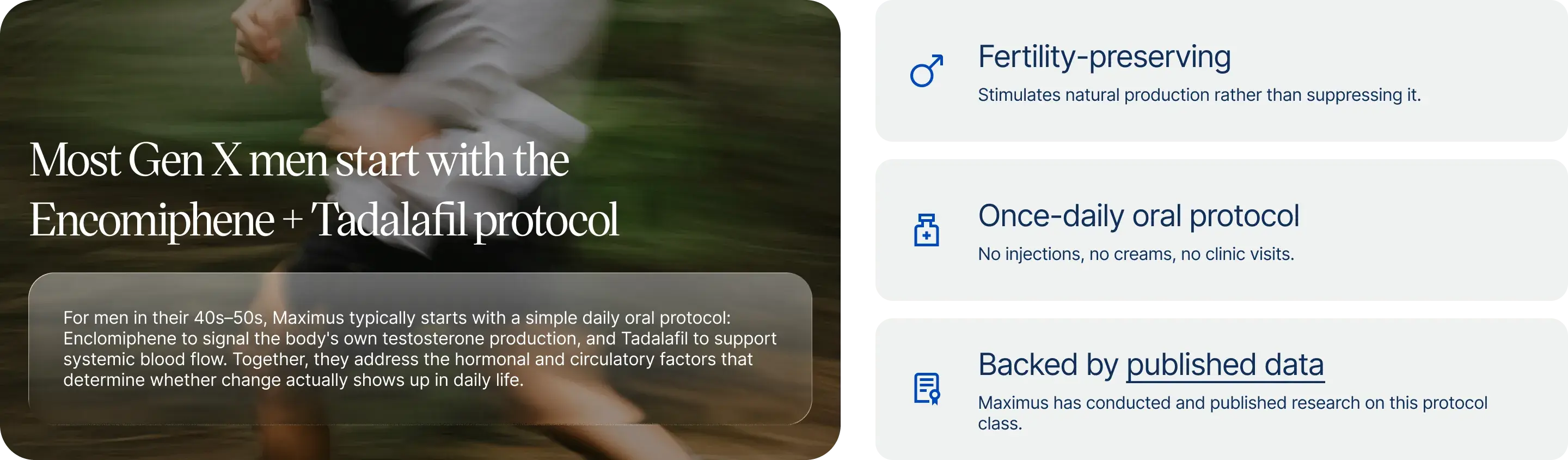
The most commonly prescribed entry-point protocol stimulates the body's natural testosterone production rather than replacing it. It is fertility-preserving and does not create the suppression cycle associated with traditional injectable testosterone therapy.
How much does it cost?
The most common starting protocol is $49.99 for the first month, then $99.99 per month with an annual commitment. Klarna available. Pricing varies by protocol.
Do I need a lab test?
Yes. You can complete a Maximus-ordered at-home test, visit a local lab, or use existing bloodwork from the last 6 months if it includes Total Testosterone, SHBG (or Free T), LH, PSA, and Hematocrit.
How long until I feel a difference?
The blood flow component of the most-prescribed combination protocol can produce noticeable effects within days. The testosterone optimization layer typically reaches its full effect in 6 to 8 weeks.
How is this different from a wellness clinic or a supplement?
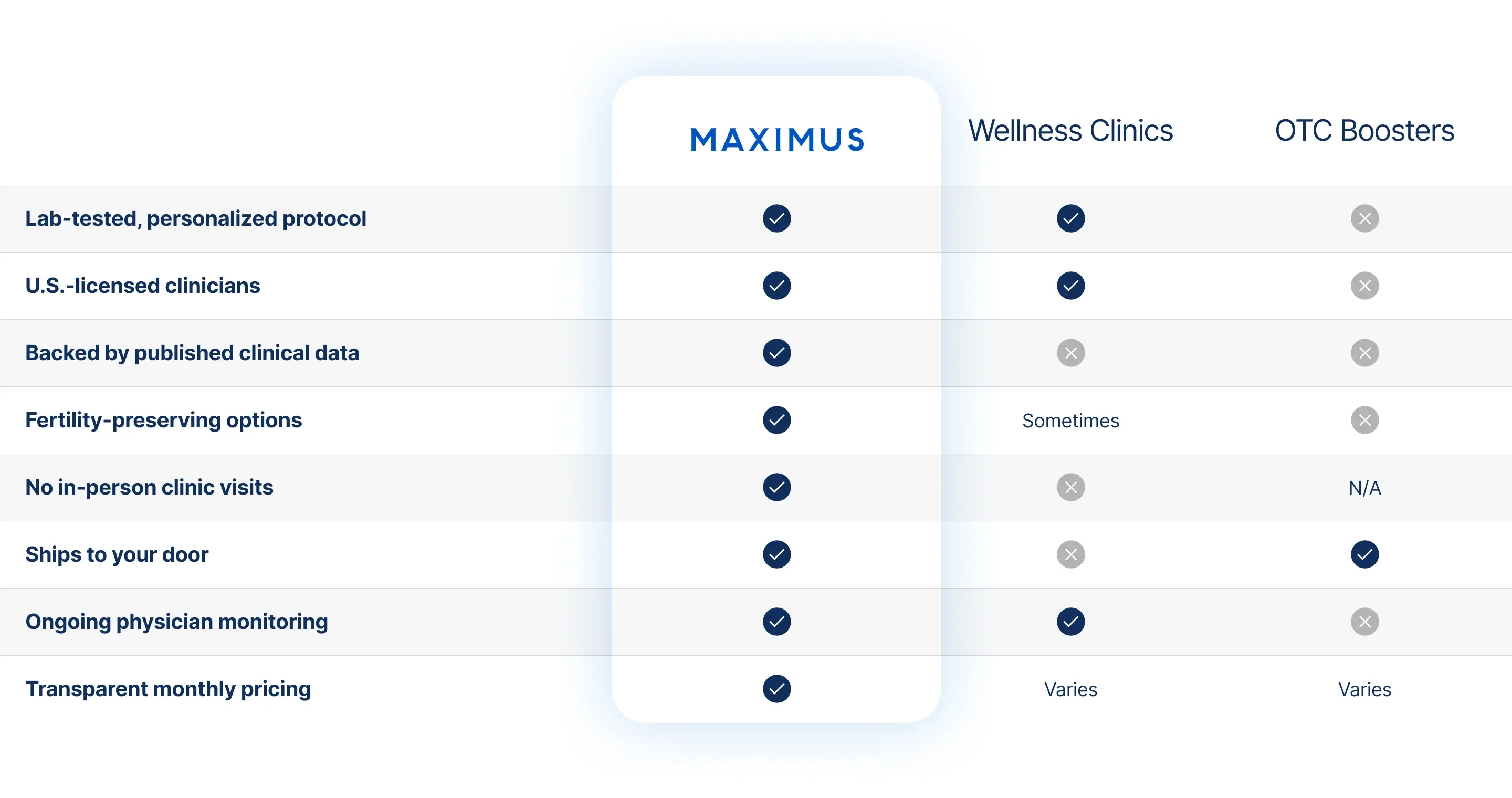
Wellness clinics often skip the lab work or use a one-size-fits-all protocol. Supplements rarely move clinical biomarkers in any meaningful way. Maximus is built around lab-tested, physician-customized protocols with published clinical data.



© Copyright 2026 Maximus Inc.